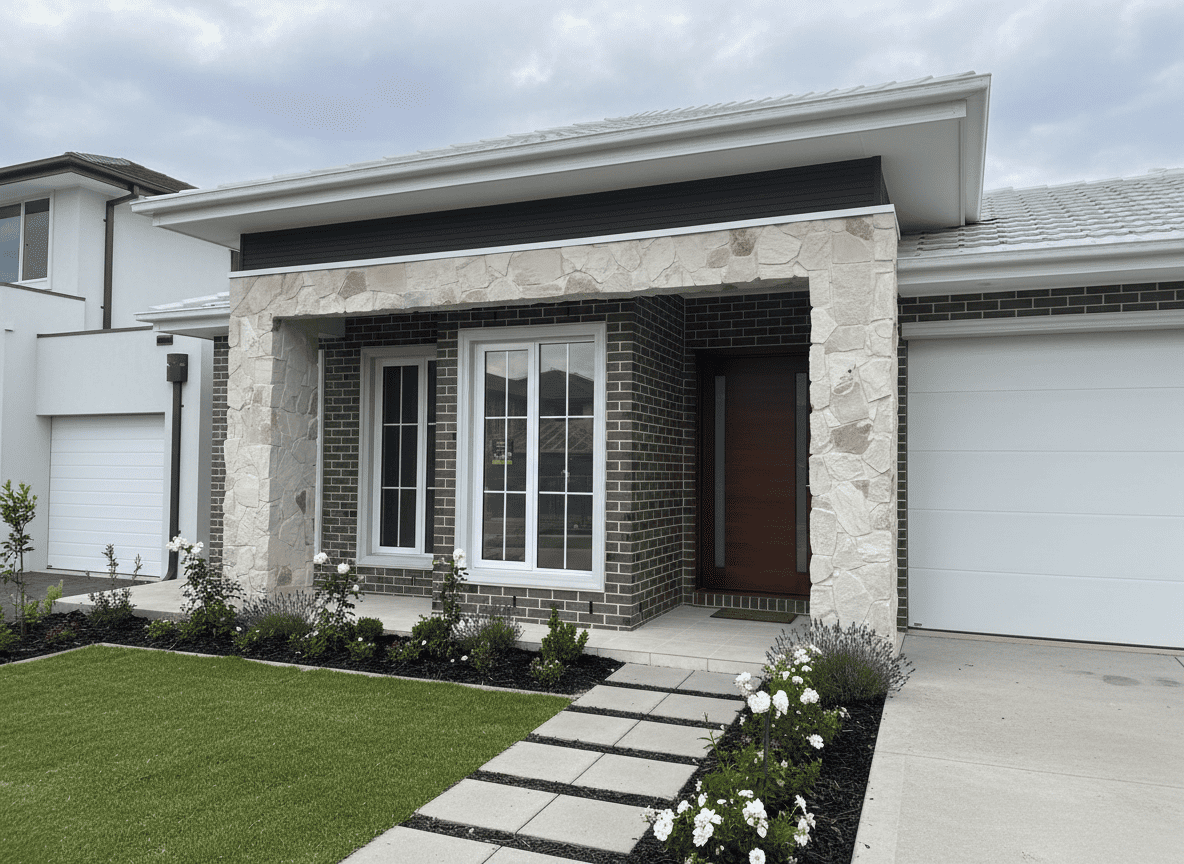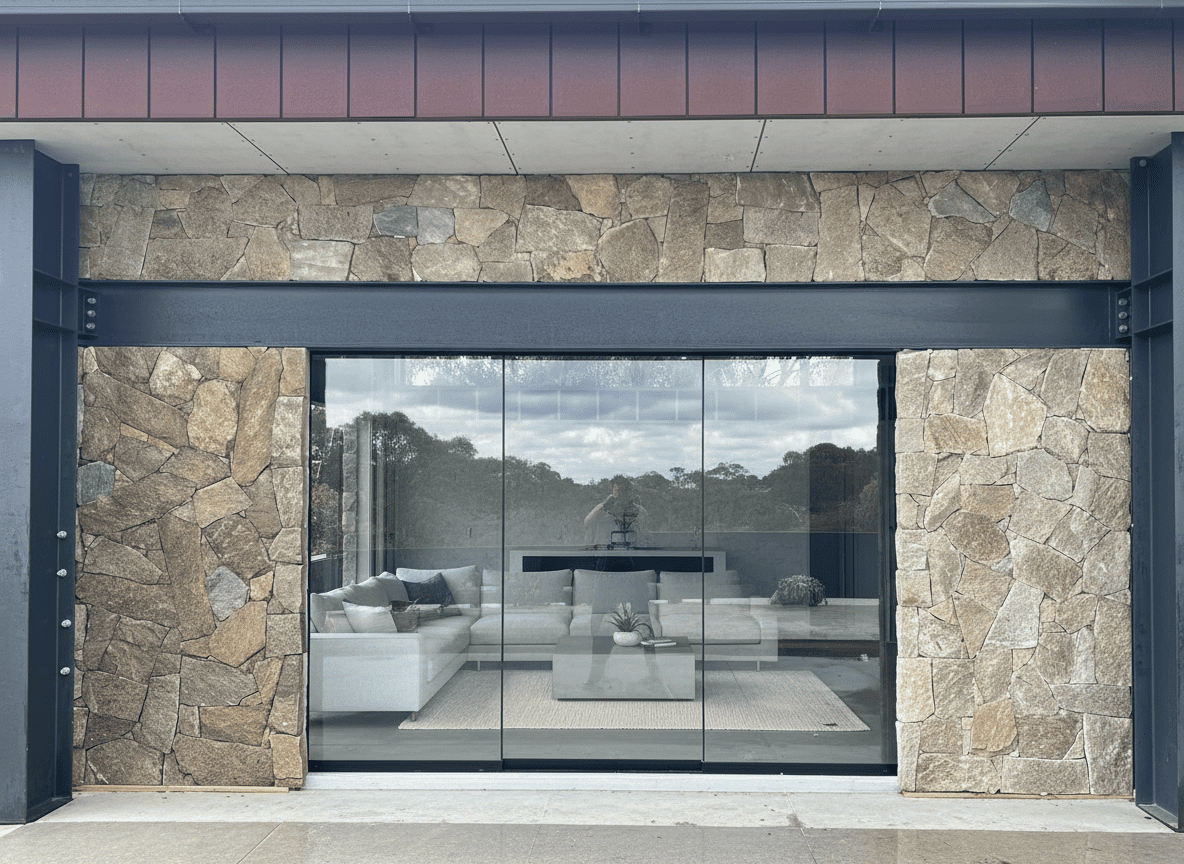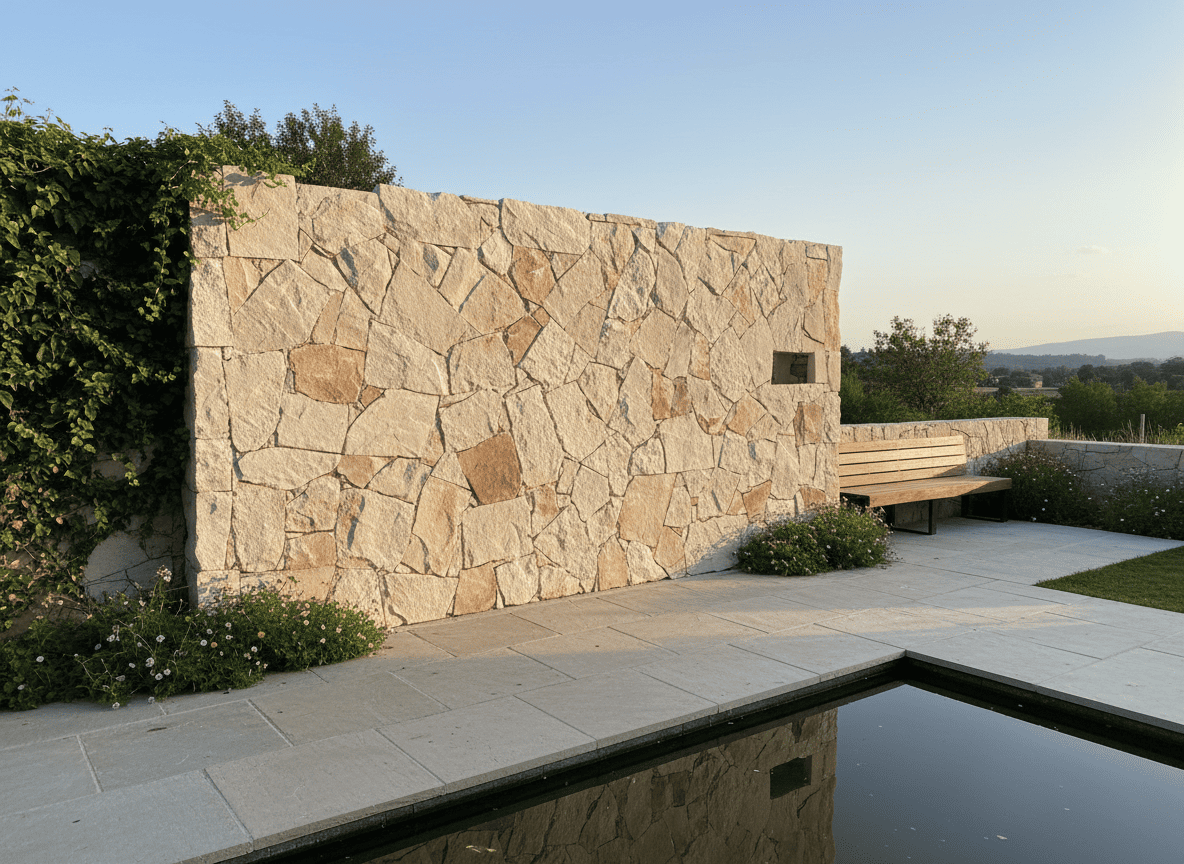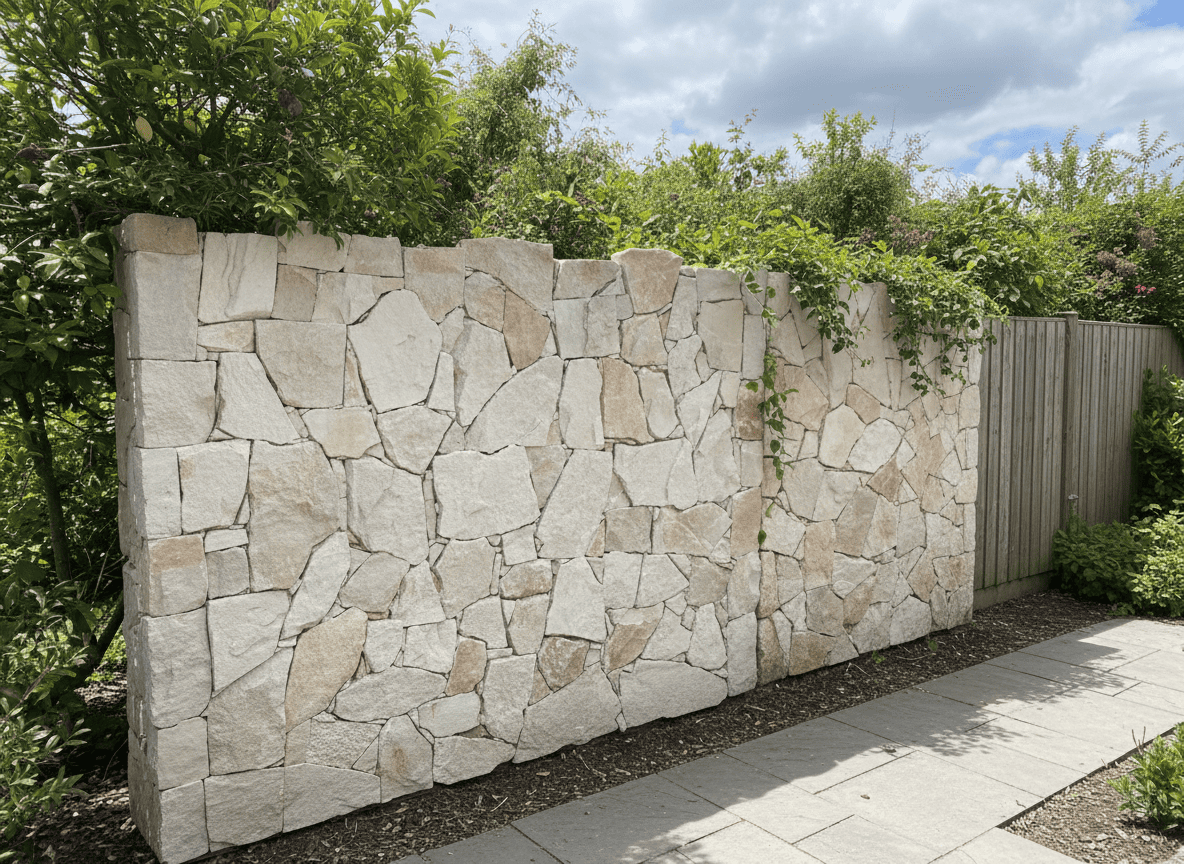
Stone cladding in Melbourne has grown in popularity over the past decade. Homeowners and builders use natural stone to add character to facades, fireplaces, feature walls, and outdoor entertaining areas. This guide covers what you need to know before starting your project.
What is Stone Cladding?
Stone cladding is a layer of natural stone applied to walls. The stone is typically 25 to 40mm thick with a split face on the front and a sawn back for adhesive application. You fix the stone directly to your substrate using flexible stone adhesive. Stone cladding differs from full stone masonry. Traditional stone walls use thick blocks stacked and mortared together. Cladding uses thin stone pieces applied as a veneer over an existing wall. This makes it lighter, faster to install, and less expensive than full stone construction.
Types of Stone Available in Melbourne
Melbourne stone suppliers stock several natural stone types. Each has different properties and appearance.
Sandstone: Warm, earthy tones ranging from white to brown. Softer than granite. Popular for coastal and traditional designs. Monterey and Coastal Drift are sandstone products.
Granite: Hard wearing with grey, charcoal, and brown tones. High strength and weather resistance. Kimberley is a granite product.
Quartz: Dense stone with grey and silver tones. Contemporary appearance. Bass Coast is a quartz product.
Freeform vs Ashlar Patterns
Stone cladding comes in two main patterns.
Freeform: Irregular shaped pieces that fit together like a puzzle. Creates a natural, rustic look. Common in traditional facades and garden walls.
Ashlar: Rectangular pieces with clean edges. Creates a structured, linear pattern. Suits modern architecture and contemporary designs.
Suitable Substrates
Your wall must support the weight of the stone. Natural stone cladding weighs approximately 60kg per square metre. Suitable substrates include:
- Brick and block walls
- Concrete walls
- Reinforced Hebel panels
- Cement sheet with appropriate fixing
Timber framed walls require additional consideration. You need to check the frame spacing and add a cement sheet substrate before applying stone. Consult an engineer if you are unsure about load capacity.
Corner Pieces
Corners are where stone cladding projects succeed or fail. Pre-made corner pieces give you seamless external corners without visible joins. L-shaped corner units wrap around the corner and interlock with the flat wall pieces. Without pre-made corners, you need to mitre cut each piece at 45 degrees. This is time consuming and often produces visible joints. Always choose a supplier that includes corner pieces with their walling products.
Installation Overview
Stone cladding installation follows these steps:
- Prepare the substrate. Clean the wall and apply a bonding agent if needed.
- Plan your layout. Dry lay pieces on the ground to plan the pattern.
- Start from the bottom. Work upward so each row supports the next.
- Apply flexible adhesive. Use a notched trowel and butter the back of each piece.
- Press firmly. Ensure full contact between stone and substrate.
- Point the joints. Fill gaps with colour-matched grout if desired.
- Seal the stone. Apply appropriate sealer for protection.
Cost Factors
Stone cladding costs vary based on several factors:
- Stone type: Granite costs more than sandstone
- Project size: Larger projects get better per-metre rates
- Pattern complexity: Freeform requires more installation time than ashlar
- Corner pieces: Count your lineal metres of corners
- Delivery: Distance from Melbourne affects shipping costs
Choosing a Supplier
Look for suppliers who offer:
- Free samples so you see the stone before ordering
- Pre-made corner pieces with all products
- Trade pricing for builders and landscapers
- Technical support for installation questions
- Melbourne warehouse for fast delivery
Next Steps
Ready to start your stone cladding project? Order free samples to see the stone in person. Measure your wall area and count your corner lineal metres. Contact us for a quote tailored to your project.